

Within the current hyper-competitive environment of optical retail, the modern boutique owner faces a continuous operational tension: how to maintain a premium, high-margin brand image while navigating the strict realities of inventory cost control and changing consumer purchasing power. For decades, traditional optical models dictated a reliance on high-cost, single-distributor licensing channels, locking independent practices into standard wholesale structures that squeezed net margins. However, as discerning consumers look for both luxury branding and economic value, savvy retailers are changing their approach to procurement.
The solution lies in a strategic pivot toward structural asset management: transforming the frame board from a collection of depreciating liabilities into a high-yield asset portfolio. By learning how to expertly source discounted designer eyewear, independent practices can dramatically lower their average unit cost of goods sold (COGS) without compromising the stylistic authority or prestige of their brand list. When approached through a disciplined lens, purchasing premium frames from off-price channels is not merely an exercise in bargain hunting; it is an analytical sourcing methodology known as building the “Investment-Grade” Optical.
The Macroeconomics of Luxury Closeout Eyewear
To fully understand why premium frames retain value across alternative distribution networks, one must examine the supply chains of global luxury eyewear manufacturers. The production cycles of elite fashion houses operate on strict timelines, often introducing new aesthetic collections two to four times per year. This structural cadence naturally generates a structural surplus of inventory. When a premium brand transitions its focus to a new seasonal line, excellent, masterfully crafted frames from the previous cycle are transitioned out to clear production schedules and warehouse capacity.
This inventory movement creates an institutional gold rush for independent optical boutiques through the availability of authentic closeout eyewear. These luxury frames do not lose value because of structural or aesthetic flaws. Instead, their transition out of primary distribution is driven by corporate scheduling and strict inventory management. A frame crafted from premium Italian maza-acetate or Japanese titanium retains its superior material integrity, structural balance, and brand equity regardless of whether it is sourced from a standard brand catalog or a trusted off-price supplier like MJG Trading.
Strategic Insight: The value of luxury eyewear is rooted in consumer brand equity and manufacturing quality, not seasonal release dates. A timeless luxury frame bought through off-price channels functions like gold bullion retaining intrinsic design value and high consumer appeal while lowering capital risk.
By shifting to a buying model that incorporates high-end off-price eyewear, independent opticians break free from the traditional high-margin retail trap. They gain access to the exact same luxury craftsmanship such as robust five-barrel hinges, exquisite hand-polished finishes, and iconic brand signatures at a fraction of the traditional wholesale cost. This structural advantage gives the practice immense commercial flexibility, enabling them to run high-margin premium promotions or reinvest capital into cutting-edge diagnostic equipment and personalized clinical care.
Curating The Board: Discriminating Between Trend and Timelessness
Sourcing discounted designer eyewear effectively requires a sharp, disciplined eye for curation. To build a true investment-grade frame board, a buyer must separate short-lived, volatile fashion trends from enduring, classical frame designs. While avant-garde silhouettes and highly experimental color palettes can attract attention on social media, they represent a higher inventory risk in alternative sourcing networks.
Instead, buyers should focus their purchasing power on timeless shapes that command enduring market demand. Classic silhouettes such as clean architectural rectangles, vintage-inspired P3 round frames, sophisticated modified butterflies, and iconic aviators form the reliable core of successful optical sales. These shapes remain consistently popular across demographics, ensuring steady, reliable inventory turnover.
Material Excellence and Heritage Branding
When reviewing closeout eyewear sheets, look past seasonal marketing buzz and focus on the technical specifications of the product. Prioritize heritage European and Japanese brands that have built their reputations on impeccable structural engineering and premium raw materials. Frames constructed from premium block acetate, lightweight beta-titanium, or featuring durable monel structures offer lasting physical longevity.
These premium materials can withstand continuous adjustments, custom lens configurations, and regular styling sessions on the retail floor. By pairing timeless design shapes with premium heritage branding, you build an optical inventory that naturally retains its premium consumer appeal, shielding your investment from sudden market drops or changing fashion trends.
Mitigating Sourcing Risks: Authenticity and Trust
While the financial rewards of the off-price eyewear market are compelling, navigating this landscape requires a strict commitment to supply chain integrity. The global marketplace contains unauthorized distributors and counterfeit operations that exploit the high demand for premium brands. For the independent professional, a single counterfeit frame can damage a hard-earned clinical reputation and break patient trust.
Building an investment-grade optical relies on working with established, fully transparent wholesale partners. A reliable B2B wholesale supplier, such as MJG Trading, serves as an institutional shield for independent retailers. Reputable partners secure their inventory directly from authorized manufacturing closeouts, liquidation structures, and official factory overstocks, ensuring complete product authenticity for every single invoice.
Core Procurement Rule: Always verify the legitimacy of your supply partners. Genuine off-price wholesale specialists protect their clients by providing clear tracking, detailed invoices, and standing firmly behind the absolute authenticity of every piece shipped.
When vetting a wholesale supplier for off-price eyewear, evaluate their market experience, operational transparency, and dedication to the independent optical market. A reputable supplier will never hide product details behind vague descriptions. Instead, they provide structured, highly detailed manifests, complete with precise factory color codes, model numbers, and size specifications. This level of clarity allows you to accurately assess your purchase and plan your frame board layout with complete confidence.
Merchandising Strategies for Premium Off-Price Frames
How you present your sourced inventory on the sales floor shapes how your clients perceive its value. Sourcing discounted designer eyewear gives your business a major cost advantage, but the frames should always be styled and presented as premium luxury items. Avoid organizing your frames in cluttered, discount-style bins or crowded bargain walls, as this immediately lowers the perceived value of the product.
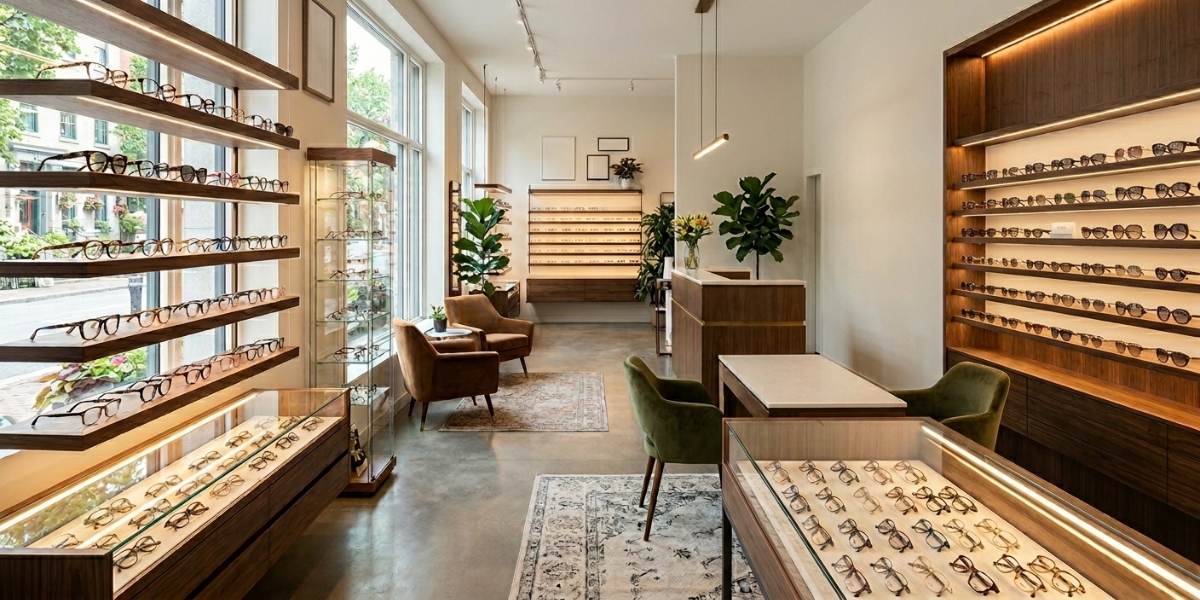
Instead, integrate these high-margin items seamlessly into your primary brand displays. Group your frames by aesthetic collections, color harmony, or brand heritage. Utilize minimalist, high-end display materials like natural wood accents, frosted glass shelves, and warm, custom lighting to highlight the rich colors and fine details of the frames. By maintaining a clean, premium presentation, you reinforce the value of the product, encouraging clients to appreciate the exceptional design and quality of their eyewear.
Value-Driven Storytelling and Strategic Bundling
Train your opticians to focus on storytelling rather than price drops. Instead of presenting a frame as a discounted item, highlight its exceptional craftsmanship and design heritage. Opticians should speak directly to the premium materials, the comfort of the balanced fit, and the timeless style of the brand. This luxury-focused conversation shifts the consumer’s focus from cost to long-term value.
Furthermore, use your improved product margins to create compelling, value-driven lifestyle packages. Combine premium sourced frames with top-tier digital lens technology, advanced anti-reflective coatings, or specialized blue-light protection into one clear, easy-to-understand price package. This approach delivers incredible value to your patients while protecting your premium brand identity and maximizing your average transaction revenue.
Frequently Asked Questions (FAQ)
1. How can frames from off-price channels maintain true investment-grade value if they are from past seasons?
In premium eyewear fashion, true design value is driven by brand equity, heritage manufacturing, and material quality not by short-term calendar cycles. Elite designers use premium materials like Italian acetate and pure titanium that do not degrade over time. By selecting classic shapes (such as structural rectangles or timeless round P3s) from closeout collections, you acquire frames that remain highly desirable to patients while securing a significantly lower wholesale cost.
2. How do independent optical boutiques verify the authenticity of discounted designer eyewear?
Authenticity is protected by working with reputable B2B wholesale partners who maintain clean, fully transparent supply chains. Established suppliers like MJG Trading source their inventory directly from factory overstocks, brand clearances, and authorized closeout distributions. Independent retailers should look for suppliers that provide highly detailed product manifests, explicit model identifiers, clear factory color codes, and professional invoicing that verifies product legitimacy.
3. Will mixing closeout eyewear with current-season lines affect my practice’s premium brand image?
Not at all! In fact, it enhances your practice’s financial health when displayed with professional merchandising. Consumers look for exceptional design and brand prestige, not seasonal release dates. Presenting off-price frames on premium, well-lit displays alongside your core lines creates a cohesive, high-end retail experience. This allows you to offer premium luxury brands at competitive price points while protecting your standard retail margins.
4. Which frame styles and materials offer the safest return when buying closeout eyewear?
The most reliable returns come from classic shapes and premium materials that have steady, permanent market demand. Focus on timeless styles like aviators, balanced geometric rectangles, and modified butterfly shapes. Look for high-quality materials such as hand-polished block acetate, beta-titanium, and premium stainless steel alloys. These materials hold up exceptionally well during lab processing and custom adjustments, ensuring a perfect fit and long-term patient satisfaction.
5. How does purchasing off-price eyewear improve the overall value of an independent practice? Buying through off-price channels lowers your frame COGS by 40% to 70%, immediately boosting your practice’s gross margins and cash flow. This extra capital gives your business great operational flexibility. You can reinvest the savings into advanced clinical technology, upgraded lab equipment, or creative marketing campaigns, making your independent practice much more competitive against corporate optical chains.
The Future of Independent Optical Retail
As the optical marketplace continues to shift and consolidate, independent practices must adopt modern, agile business strategies to stay ahead. Sticking exclusively to traditional, rigid procurement models leaves independent clinics vulnerable to rising overhead costs and corporate competition. Embracing a diversified, strategic sourcing model is the most effective path to long-term financial independence.
Sourcing premium closeout eyewear and high-quality off-price eyewear from reliable wholesale partners like MJG Trading allows you to optimize your inventory investment. This smart approach balances your frame board, drives outstanding profit margins, and ensures your practice delivers the exceptional luxury styles your patients desire. By combining smart corporate purchasing with outstanding clinical care, you create a resilient, highly profitable investment-grade optical boutique built for long-term success.
Ready to elevate your inventory? Register for exclusive B2B access or contact us for more information to see how we can support your practice’s growth.